


MAUM 마음
The Mind in Healing and Transformation
Tuesday, July 1, 2025
Location: Won Institute of Graduate Studies
800 Jacksonville Road,
Warminster, PA 18974
5th Annual International Seminar
Co-hosted by Youngsan University of Seon Studies &
Won Institute of Graduate Studies
In a world facing increasing mental, emotional, and spiritual distress, understanding the role of the mind and heart (MAUM, 마음) in healing and transformation is more vital than ever. This seminar will explore how mind-centered practices can support personal well-being, collective healing, and societal resilience. Drawing from both scientific research and spiritual traditions, we will examine the intersection of mind study, holistic practices, trauma recovery, and addiction rehabilitation, while also considering how MAUM functions as a source of wisdom and renewal in our daily lives. Through a keynote talk, presentations, and discussions, participants will engage with experts in psychology, neuroscience, and spiritual care. Together, we will explore questions such as, but not limited to the following:
How can the mind be understood across disciplines and traditions?
What roles do mind-centered practices—such as prayer, meditation, and self-reflection—play in the process of healing and transformation?
How can MAUM (mind.heart)-based approaches support addiction recovery and foster holistic well-being?
This seminar invites seekers, scholars, practitioners, and caregivers alike to deepen their understanding of the mind-heart connection and its profound relevance in our lives. Through shared inquiry and lived experience, we aim to co-create a space for insight, integration, and renewal.

VIEW 2025 Seminar Digital Booklet
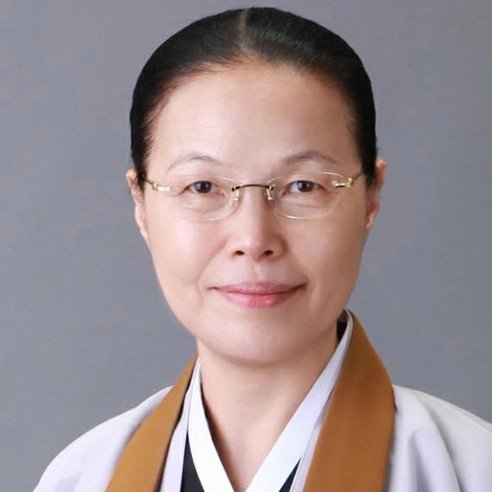
Keynote Speaker
-
Won Buddhism UN & Interfaith
Ven. Dr. Chung Ohun Lee is the Guiding Spiritual Teacher of the Washington Temple of Won Buddhism and the Founder of World Friends for a New Civilization (WFNC). She is internationally recognized for her ability to convey Won Buddhist teachings in ways that resonate across personal, communal, and global contexts. Ven. Lee established the first English-speaking Won Buddhist community in Manhattan and founded the United Nations Office of Won Buddhism in 1992 to advance peace and development worldwide. From 1992 to 2018, she served as the Executive Director of UN and Interfaith Affairs for Won Buddhism International and the Guiding Spiritual Teacher of the Manhattan Temple.
A leader in peacebuilding, cultural diplomacy, reconciliation, gender equality, and universal ethics, Ven. Lee has played key roles in numerous United Nations initiatives. Her leadership includes:
President of the Committee of Religious NGOs at the UN (1995–1997)
Founding Co-Chair of the Values Caucus at the UN (1994–1995)
Convener and participant in global forums including the World Peace Forum (2017), Visionary Peace Activities Forum (2013), G20 Universal Ethics Summit (2010), and Universal Ethics Millennium Conference (2000)
Ven. Lee has also served as Co-President of Religions for Peace International (1999–2018) and RfP-USA (1999–2020), and as Co-President of the Parliament of the World’s Religions (1993). She has led and convened numerous interfaith gatherings focused on dialogue, ethics, and spiritual unity. She is the author of Women in Won Buddhism: Theory and Practice Toward Gender Equality (2018), Living Dharma: A Guide to Daily Practice of Won Buddhism (2012), Vision for a New Civilization (2000), and Dharma Record: New Mind and New Life (1994). Her scholarship centers on the practical application of meditation and mindfulness in contemporary society. Ven. Lee holds an M.A. and Ph.D. from New York University.
Speakers
-
![]()
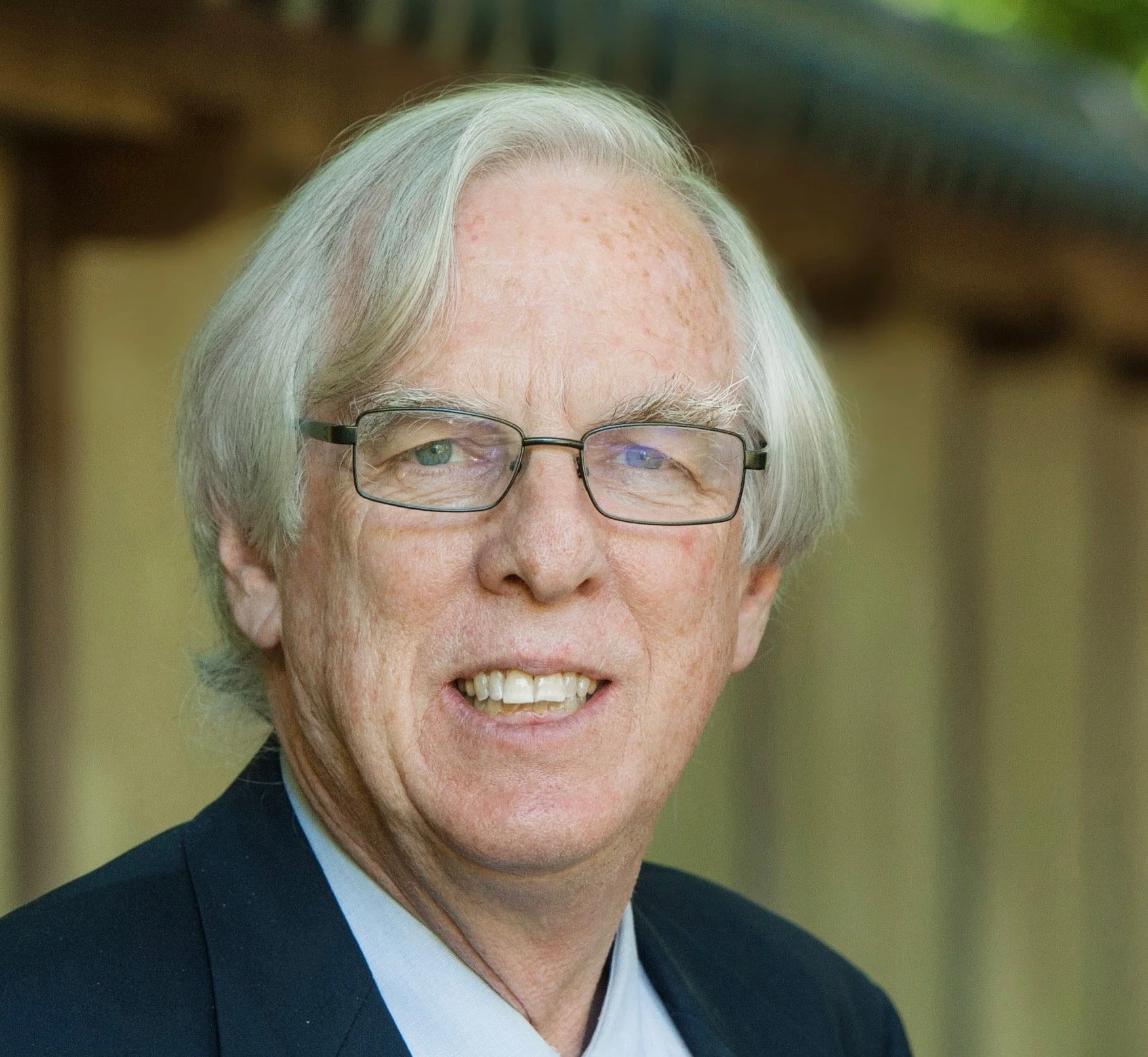
Dr. Donald Baker
University of British Columbia
-
![]()
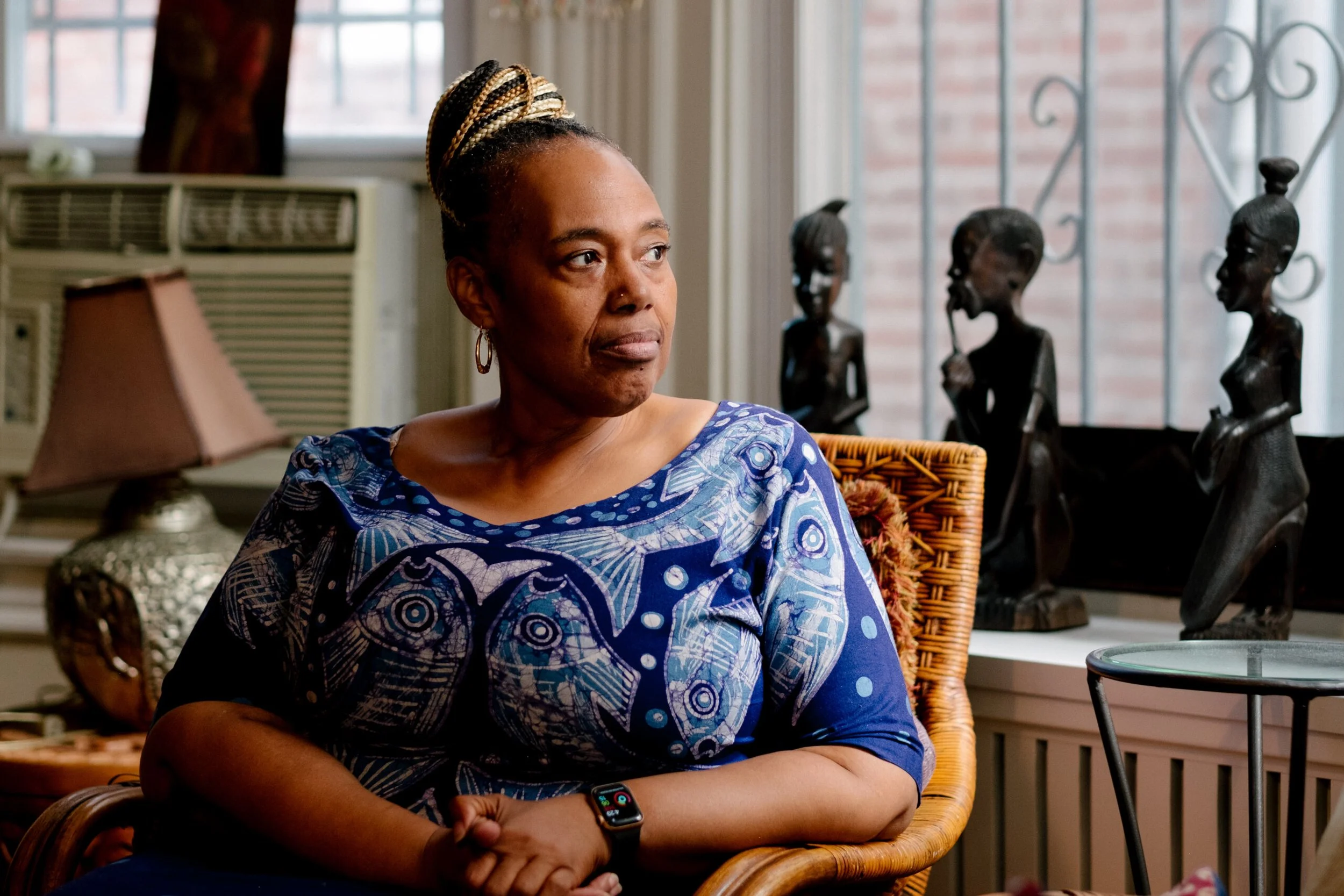
Dr. Lennell R. Dade
Won Institute of Graduate Studies
-
![]()
Rev. Hyeonggi Jeong
Youngsan University of Seon Studies
-
![]()
Dr. Christian Perring
St. John’s University
-
![]()
Dr. Diane Reibel
Director, Myrna Brind Center for Mindfulness, Marcus Institute of Integrative Health/ Clinical Associate Professor, Department of Integrative Medicine & Nutritional Sciences


Special Musical Performance

Soo Yeon Lyuh
Haegeum
The haegeum is an ancient Korean instrument known for its pathos and vocality. Dating from the Koryeo Dynasty (918-1392), the instrument is a small, two-stringed fiddle with a slender, rod-like neck and round sound box. Traditionally built using 8 materials (metal, rock, thread, bamboo, gourd, soil, leather, and wood), haegeum is gifted with a colorful tonal palette and broad expressive range. In the context of a traditional Korean orchestra, haegeum is considered a wind instrument because of its ability to sustain haunting melodies. The bow is permanently looped between the strings, a unique design that likely stems from a time when it traveled with people on horseback; the haegeum, after all, was of no use if you lost the bow in transit. To perform, a musician typically sits in a half-lotus position with the right leg wrapped over the left knee and the sound box resting on top. The face of the instrument is turned inward and perpendicular to the player’s body, making it possible to transition the bow smoothly between the thicker inner string and thinner outer string (tuned a perfect fifth apart).